A growing share of the questions that used to be typed into a search box are now put to an assistant instead. The person does not get ten blue links and choose one. They get an answer, sometimes with two or three sources beside it, and for most questions that is where it ends.
That changes what being findable means. Ranking is about being one of the options on a page. Being cited is about being the source an answer was built from. The good news is that the work overlaps more than the panic suggests.
What has not changed
Assistants that answer with current information are reading the live web, either through a search index or by fetching pages directly. So the foundations are the same foundations, and a site that fails them fails both audiences at once:
- The page must be reachable. Not blocked in robots.txt, not behind a login, not noindexed by accident.
- The content must be in the HTML. Text that only appears after JavaScript runs is a gamble: some crawlers execute it, many fetchers do not.
- The page must be fast and must not fail. A fetcher that times out simply moves on to the next source.
- It must be clear what the page is about, from the title, the headings and the first paragraph.
Most sites that worry about AI visibility have an ordinary technical problem, not a novel one.
What is genuinely different
Answers are extracted, not summarised in your voice
A model lifts the bit that answers the question. Content built as a slow argument that only pays off in the last paragraph gives it nothing to lift. Content that states the answer plainly and then explains it gives it something obvious to quote.
This is not a trick. It is the same structure that works for a human skimming on a phone, which is why it is safe to adopt even if you think the whole thing is overblown.
Specificity is what gets cited
Generic pages are interchangeable, and an assistant choosing between interchangeable sources has no reason to pick yours. What gets picked is the page with something the others do not have: a real constraint, a real number you can stand behind, an actual procedure, a named place, a caveat nobody else mentions.
"We build fast, beautiful websites" is present on ten thousand pages. "On a prepaid mobile bundle in Lagos, a four megabyte homepage costs the visitor money before they have read a word" is present on one, and it is the kind of sentence that ends up inside an answer.
Entities matter more than keywords
These systems reason about things (a company, a place, a service, a person) and about how confident they are that those things are real and consistent. Which means the boring consistency work pays off more than it used to: the same business name, address and phone number everywhere; structured data that truthfully describes what is visible on the page; an About page that states plainly who you are, where you are and what you do.
Things that do not work
- Stuffing pages with phrases you imagine a model wants. It reads badly to people, and the systems are trained on enough of the web to recognise it.
- Publishing volume for its own sake. Thin pages dilute the site that hosts them.
- Treating llms.txt as a ranking lever. It is an experimental proposal, not a standard, and no major product has committed to reading it. Publish one if you like; do not do it instead of the real work.
- Faking structured data. Marking up reviews or prices a page does not show is how a site loses rich results altogether.
A practical checklist
- One clear question answered per page, stated near the top.
- Headings that are the questions people actually ask, phrased the way they ask them.
- A short, direct answer under each heading, before the reasoning.
- At least one thing on the page nobody else can say: your own data, your own constraint, your own method.
- Structured data that describes exactly what a reader can see, and nothing else.
- Consistent business details across the site and every listing you control.
- A dated page, updated when it stops being true.
How to tell whether any of it is working
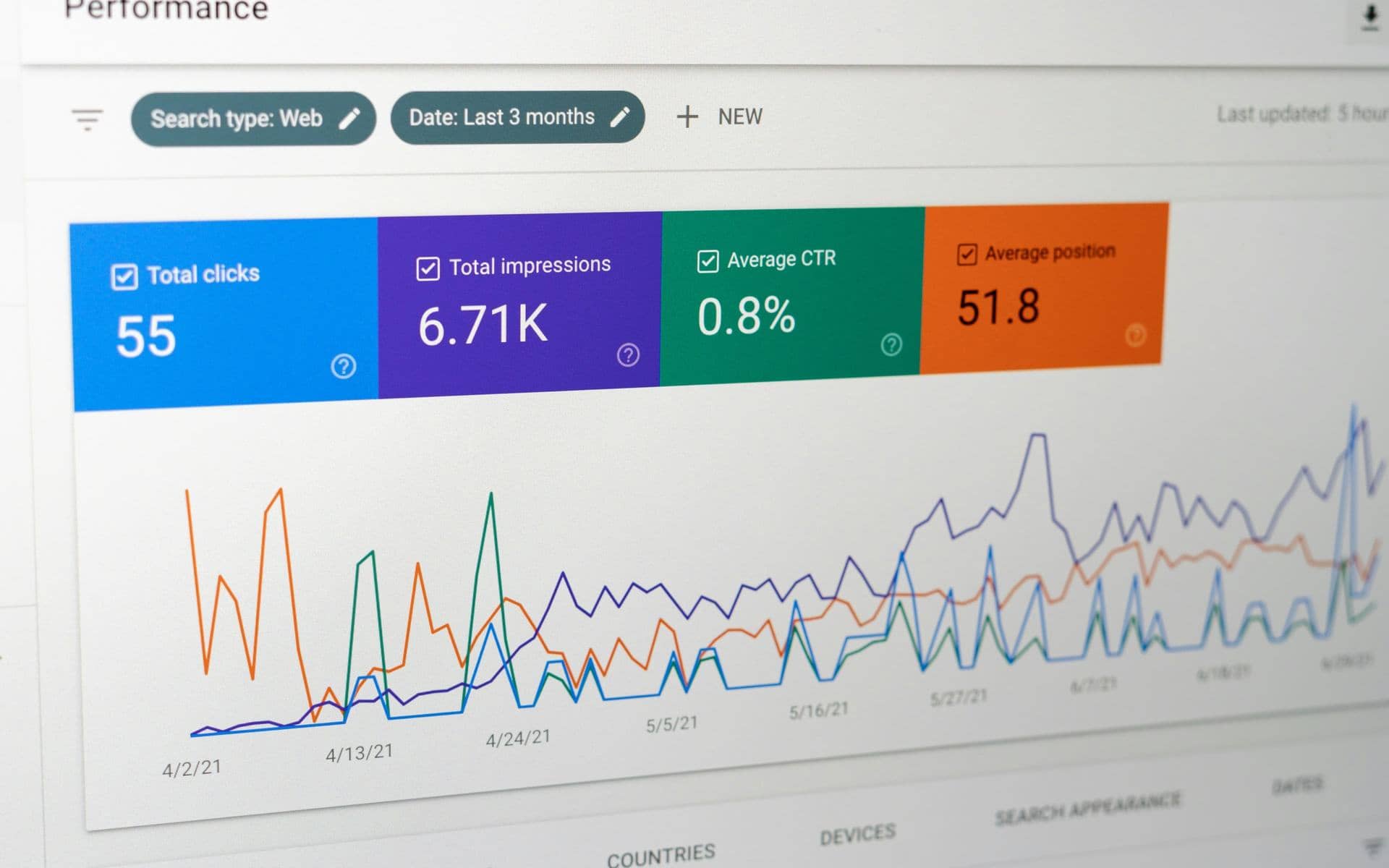
Assistants do not send a referrer the way a search engine does, so traffic from them is harder to attribute and often lands in your analytics as direct. Two things are more reliable than guessing.
- Ask the assistants your customers use the questions your customers ask, on a schedule, and record whether you appear and what is said about you. It is manual, and it is the only direct measurement available.
- Watch for the shift in what people say when they arrive. Enquiries that open with a fact about you that was not on the page they landed on usually came through an answer somewhere else.
The strategic point is simpler than the tactics. Being quotable and being useful have become the same project. A page written so a person gets their answer quickly is also the page a machine can lift from. And if the machines change again next year, you are still left with a page that serves the reader.